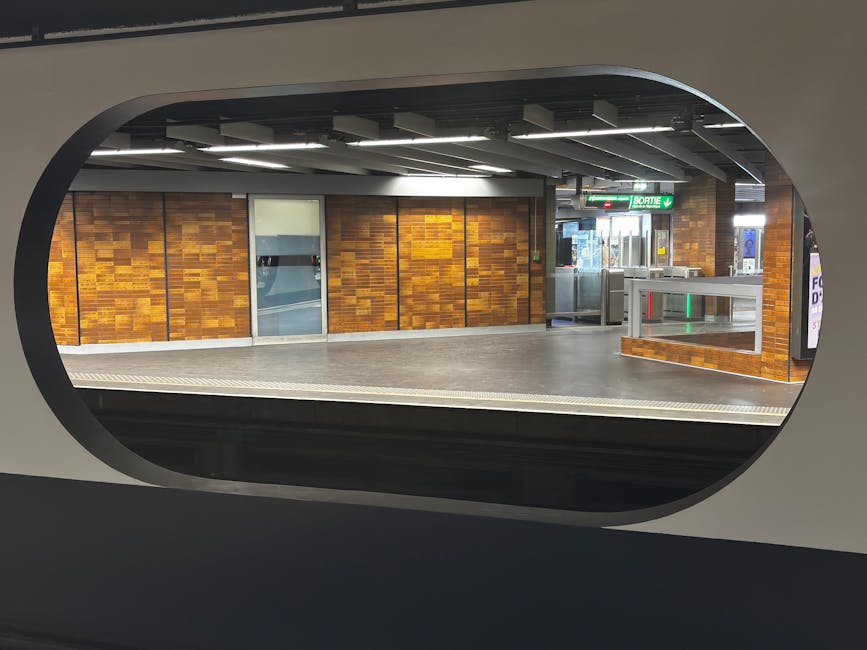
St Johns Wood station office cleaning for small businesses
If your office sits near St Johns Wood station, you already know the pattern: early commuters, busy pavements, coffee cups balancing on the way in, and not much room for a messy workplace. For small businesses, that means cleaning is not just about appearances. It affects how clients feel the moment they walk through the door, how staff work through the day, and how smoothly the office runs when things get busy.
St Johns Wood station office cleaning for small businesses is really about keeping a compact workplace fresh, organised, and presentable without wasting time or money on a service that is too broad, too rigid, or frankly overkill. This guide breaks down what it involves, how it works, what to expect, and how to choose the right approach for a smaller team in a real London setting. No fluff. Just the stuff that matters.
And yes, for a small office, the difference between "clean enough" and genuinely well-kept can be surprisingly obvious. One dusty meeting table, one sink that has been ignored for a week, and the whole place feels a bit off.
Table of Contents
- Why St Johns Wood station office cleaning for small businesses Matters
- How St Johns Wood station office cleaning for small businesses Works
- Key Benefits and Practical Advantages
- Who This Is For and When It Makes Sense
- Step-by-Step Guidance
- Expert Tips for Better Results
- Common Mistakes to Avoid
- Tools, Resources and Recommendations
- Law, Compliance, Standards, or Best Practice
- Options, Methods, or Comparison Table
- Case Study or Real-World Example
- Practical Checklist
- Conclusion
- Frequently Asked Questions
Why St Johns Wood station office cleaning for small businesses Matters
A small office can get untidy faster than people expect. There are fewer desks, sure, but also fewer buffers. If one bin gets full, if the reception counter gathers fingerprints, or if the kitchen starts smelling like yesterday's lunch, everyone notices. Clients notice too.
In an area like St Johns Wood, where businesses often rely on trust, presentation, and repeat visits, cleaning is part of the first impression. That matters whether you run a consultancy, a small agency, a therapy practice, a legal office, or a local back-office team with clients popping in now and then. People are quick to read a space. Clean, calm, and organised says something. Cluttered and tired says something else entirely.
There is also the practical side. Dust and spill build-up can shorten the life of carpets, upholstery, flooring, and desks. It can make allergy symptoms worse for staff. It can create awkward little hygiene issues around shared touchpoints like handles, switches, kitchen surfaces, and washrooms. Not glamorous, but very real.
Small businesses also tend to work with tighter margins. So the cleaning approach has to be efficient. You need enough coverage to keep standards high, but not so much that you are paying for services that don't match the size or use pattern of the office. That balance is the sweet spot.
Expert takeaway: For a small office near St Johns Wood station, consistent cleaning usually delivers more value than occasional heavy cleaning. A steady routine keeps the space presentable, protects materials, and avoids last-minute scrambles before meetings.
How St Johns Wood station office cleaning for small businesses Works
At its best, office cleaning for a small business is straightforward. A cleaner or cleaning team visits on a schedule that fits your hours, works through agreed tasks, and leaves the office ready for the next business day. Simple on paper. In practice, the details matter.
The service usually starts with a walkthrough or a short discussion. That is where the cleaner learns how the office is used, which areas matter most, whether there are sensitive rooms, and what "clean" actually means for your business. A creative studio may want floors and bins prioritised. A professional services office may care more about meeting rooms, desks, and washrooms. A small medical-adjacent or client-facing workspace will likely need tighter hygiene routines, especially in shared areas.
Most small offices near the station need a mix of daily, weekly, and periodic tasks. Daily work might include rubbish removal, wiping desks and touchpoints, kitchen refreshes, washroom cleaning, vacuuming, and mopping. Weekly or less frequent tasks might include skirting boards, internal glass, deep dusting, fridge checks, or carpets. The right blend depends on how many people use the office and how quickly it gets dirty.
There is usually also a specification sheet or cleaning checklist. This is the part that saves everyone a headache later. It sets out what is included, how often, and any special instructions. Good cleaning agreements are practical and plain-English, not full of vague promises. You want to know what happens on a Tuesday at 6:30 pm, not just "general upkeep" because that can mean almost anything.
For many small businesses, a cleaner visits after hours so the office is ready first thing. That is often the easiest arrangement near a busy station area where daytime footfall is constant and access can be a little awkward. Some offices prefer early-morning cleaning. Either can work. The key is consistency.
Key Benefits and Practical Advantages
The obvious benefit is cleanliness. But the real value goes wider than that. A good service reduces the little frictions that chip away at the workday.
- Better first impressions: Clean reception areas, tidy meeting rooms, and fresh-smelling kitchens help clients relax quickly.
- More productive staff: People work better in spaces that feel cared for. It sounds soft, but it's true.
- Less disruption: Routine cleaning prevents the "we'll deal with it later" buildup that becomes a bigger job.
- Longer life for office surfaces: Regular care can help protect carpets, flooring, desks, and upholstery from premature wear.
- Lower stress for owners and managers: One less thing to chase on a busy week. That alone is worth quite a bit.
- More flexible for small teams: Smaller offices usually need tailored schedules rather than a one-size-fits-all contract.
There is also a subtle morale effect. When people arrive to a clean kitchen and tidy desk area, the day starts better. Not dramatically better, perhaps, but enough. Enough to matter.
If your office has mixed use - say, some staff are in most days and others only visit for meetings - a tailored cleaning plan can prevent wasted effort. You are not paying to clean empty space in the wrong way. You are cleaning the areas people actually use.
Who This Is For and When It Makes Sense
This service is a strong fit for small businesses that want a reliable, professional-looking workspace without taking on the hassle internally. That includes a wide range of organisations near St Johns Wood station and the surrounding local business area.
Typical examples include:
- small offices with 3 to 20 staff
- consultancies and professional services firms
- creative studios and design agencies
- recruitment teams and small administrative offices
- property, finance, or legal support offices
- client-facing businesses with reception or meeting space
- shared workspaces with defined office zones
It also makes sense when you are noticing a few warning signs. Maybe the office still looks tidy at 9am but feels tired by late afternoon. Maybe staff are clearing up spills themselves because no one has time to do it properly. Maybe visitors are coming more often, and you want the space to feel sharper without turning it into a full-scale housekeeping operation.
Truth be told, a lot of small businesses leave cleaning until it becomes obvious. By then, the office has already developed habits of mess. That is usually harder to fix than preventing the issue in the first place.
It may also make sense if you are moving into a new workspace, scaling up from a home office, or simply reworking how your office runs after a busy period. In those moments, cleaning becomes part of the reset, not just a maintenance task.
Step-by-Step Guidance
If you are setting up office cleaning for the first time, here is a sensible way to approach it. Nothing fancy. Just a practical sequence that avoids common frustrations.
- List the spaces that actually need attention. Reception, workstations, kitchen, washrooms, meeting rooms, storage, and entrances often need different levels of attention.
- Decide what must happen daily and what can happen weekly. This keeps the service efficient and stops the quote from drifting upward for tasks you do not really need.
- Note your access requirements. Alarm codes, key holders, preferred visit times, lift access, and any restrictions should be agreed early.
- Be clear about surfaces and materials. Some desks, screens, and floors need gentler products or specific methods.
- Set hygiene priorities. Touchpoints, washrooms, kitchen surfaces, and bins are usually high priority in small offices.
- Agree how issues are reported. If a stain returns or a bin area needs extra attention, who is told, and how quickly?
- Review after the first few visits. Small offices often need a little adjustment once the routine starts. That is normal.
A useful rule of thumb: if the office looks good only because staff keep tidying all day, the cleaning plan probably needs improving. The cleaner should reduce that burden, not quietly pass it back to the team.
And yes, it helps to be specific. "Clean the kitchen" is too broad. "Wipe surfaces, sink, appliance fronts, bin area, and floor" is much better. Tiny detail, big difference.
Expert Tips for Better Results
After years of seeing what works and what becomes a mess again by Thursday, a few patterns stand out.
1. Prioritise touchpoints. Door handles, switches, shared kitchen areas, and reception surfaces matter more than most people realise. They are used constantly, and they influence how clean the office feels overall.
2. Keep clutter under control. A cleaner can clean around some clutter, but no one wants to polish paperwork piles. The less desk junk, the better the result. A tidy desk is easier to clean, obviously, but also easier to keep calm looking.
3. Match frequency to reality. A small office that sees ten people daily does not need the same schedule as one with thirty visitors and a lunch kitchen in constant use. Be honest about traffic. It saves money and improves outcomes.
4. Use the cleaner's eye. Experienced cleaners notice things others miss: a bin lid that gets sticky, limescale starting near taps, the faint trail of shoe marks by the entrance after wet weather. Those are the small early warnings.
5. Plan for seasonal changes. In autumn and winter, wet floors, grit, and extra mud near entrances become a bigger issue. In warmer months, kitchens and bins may need tighter attention. London has a way of reminding you about this, usually at the worst possible moment.
6. Build in occasional deep cleaning. Routine cleaning keeps standards up, but carpets, upholstery, hard floors, and kitchen fixtures sometimes need more than a quick pass. That is where services like deep cleaning or commercial carpet cleaning can be useful alongside regular office care.
Common Mistakes to Avoid
Small businesses usually do not fail at office cleaning because they do nothing. More often, they fail because they do the wrong kind of "something."
- Choosing the cheapest quote without checking the scope. A low number is meaningless if half the tasks are excluded.
- Not writing down the schedule. Memory is not a contract.
- Assuming every office needs the same routine. A small accountancy office and a busy creative studio are not the same beast.
- Ignoring kitchen and washroom details. These areas create the strongest impression fastest, for better or worse.
- Forgetting about access and security. Keys, alarms, and entrance arrangements need to be secure and sensible.
- Letting standards drift without review. If you never check, small issues become normal. That happens quietly.
One surprisingly common mistake is asking for "general office cleaning" and then being annoyed that the service did not magically guess your priorities. It sounds obvious, but it happens a lot. A clean office is rarely accidental.
A second mistake is forgetting the people using the office. If staff are making tea eight times a day, the kitchen will need more attention. If clients visit once a week, the reception area may matter more than the back office. Clean according to use, not assumption.
Tools, Resources and Recommendations
For small business offices, the most useful tools are usually the simplest ones. You do not need a complicated system to keep standards steady.
- Room-by-room cleaning checklist: Helps you separate daily, weekly, and monthly tasks.
- Surface and material notes: Useful for desks, floors, screens, and specialist finishes.
- Issue log: A shared note for recurring problems such as spills, missing supplies, or stubborn stains.
- Consumables plan: Keeps paper towels, bin liners, hand soap, and washroom supplies from running out.
- Periodic deep-clean schedule: Useful for carpets, upholstery, and hard floors.
Some offices also benefit from add-on services. If your entrance sees heavy foot traffic, window cleaning can brighten the whole frontage. If flooring is becoming dull or marked, hard floor cleaning can restore a more professional finish. For office chairs, sofas, or meeting room seating, upholstery cleaning can make a noticeable difference without replacing furniture early.
If your business needs a broader scope, you may want to look at commercial cleaning rather than a purely domestic-style service. That distinction matters. Commercial settings have different access needs, different hygiene expectations, and different wear patterns. It is not just housework in a blazer.
Law, Compliance, Standards, or Best Practice
For most small offices, cleaning itself is not a heavily regulated activity in the everyday sense, but there are still sensible standards to follow. You want any provider to work safely, respect access arrangements, and use suitable methods for the environment.
In the UK, employers generally have responsibilities around workplace health and safety, which includes keeping workspaces reasonably clean and safe to use. In practical terms, that means reducing slip risks, handling waste properly, keeping shared facilities hygienic, and making sure cleaning processes do not create hazards of their own. No one wants a freshly mopped floor that becomes a skating rink, to be fair.
Good practice also includes clear communication about allergies, sensitive surfaces, electrical equipment, and restricted areas. If staff leave laptops, papers, or confidential items out, the cleaning routine should respect that. A well-run office cleaning agreement is careful, discreet, and predictable.
It is also sensible to ask about insurance, incident reporting, and safety procedures. Pages such as insurance and safety and health and safety policy are useful places to understand how a cleaning provider approaches risk. If you care about who is entering your workspace and how issues are handled, that is not overthinking it. That is normal due diligence.
Environmental best practice matters too. Offices increasingly ask about waste handling, product selection, and reuse where possible. If that matters to your business, a provider's approach to recycling and sustainability may be worth reviewing alongside the cleaning plan itself.
Options, Methods, or Comparison Table
Small businesses near St Johns Wood station usually choose one of three broad approaches. Each has its place, depending on budget, space, and how often the office is used.
| Approach | Best for | Pros | Watch-outs |
|---|---|---|---|
| Basic routine cleaning | Very small offices with light daily use | Affordable, simple, keeps spaces tidy | May not cover deeper dirt or busy shared areas well |
| Tailored commercial cleaning | Small offices with regular staff and clients | Balanced, flexible, better for mixed-use spaces | Needs a clear checklist and good communication |
| Routine plus periodic deep cleaning | Offices with carpets, upholstery, or heavier footfall | Best overall finish, helps maintain assets longer | Costs more than basic cleaning if added too often |
The right choice usually comes down to the real pattern of use. If clients visit often, a tailored commercial schedule is usually the better fit. If the office is mostly internal admin work, a lighter routine with occasional extras may be enough. If the floors and seating are taking a beating, build in periodic specialist care instead of waiting until they look exhausted.
For many small businesses, the best result comes from combining everyday office cleaning with occasional targeted services such as office cleaning and regular cleaning. That keeps the routine stable while allowing for a more polished finish when needed.
Case Study or Real-World Example
Here is a realistic scenario. A small consultancy with eight staff moved into an office not far from St Johns Wood station. At first, they tried to manage cleaning informally. Everyone chipped in a bit, which sounds fine until Thursday afternoon, when the bins were full, the kitchen had a faint coffee smell, and the meeting room looked a little tired before client calls.
They did not need a huge service. What they needed was structure.
Their cleaning plan was simplified into three layers: daily touchpoint and washroom cleaning, twice-weekly kitchen and desk-area upkeep, and a monthly deeper pass for carpets, glass, and upholstery. They also added a quick entryway clean during wetter weeks because the office entrance picked up grit from shoes surprisingly quickly. Nothing dramatic. Just sensible maintenance.
The result was not some magic transformation, and anyone claiming otherwise is probably selling fairy dust. But the office felt calmer, looked more professional, and staff stopped spending their own time doing cleanup jobs that were never really theirs to begin with. The biggest improvement was probably psychological: people arrived and got on with work instead of noticing what needed wiping down first.
That is often the real win with small business office cleaning. Not perfection. Relief.
Practical Checklist
Use this as a quick pre-booking or review checklist for your office cleaning setup.
- Have you listed all rooms and shared areas that need cleaning?
- Do you know which tasks must be done daily, weekly, or monthly?
- Have you identified any sensitive equipment, surfaces, or confidential spaces?
- Is access arranged clearly, including keys, alarms, and out-of-hours entry?
- Have you agreed how special requests and issues will be reported?
- Are bins, kitchen surfaces, and washrooms included properly?
- Have you asked about insurance, safety procedures, and risk awareness?
- Do you need specialist add-ons such as carpet, floor, or window cleaning?
- Is the schedule realistic for the size and use of the office?
- Will you review the service after the first few visits and adjust if needed?
If you can answer yes to most of those, you are in pretty good shape. If not, no problem. Better to tighten the plan now than quietly live with a mediocre routine for six months.
Get a free quote today and see how much you can save.
Conclusion
For small businesses near St Johns Wood station, office cleaning is not just a background task. It supports client confidence, day-to-day comfort, and the professional rhythm of the workplace. The best approach is usually simple, tailored, and consistent - not oversized, not vague, not overcomplicated.
When you know what your office actually needs, cleaning becomes easier to manage and easier to trust. That means less stress for you, a better environment for your team, and a sharper impression for anyone walking through the door. And honestly, that is what most small businesses want: a workplace that quietly does its job and helps everyone get on with theirs.
Take a careful look at your space, your schedule, and your priorities. The right cleaning plan tends to feel like a small relief every single week. And that adds up.
Frequently Asked Questions
What does office cleaning for a small business near St Johns Wood station usually include?
It usually includes bins, dusting, vacuuming, mopping, washroom cleaning, kitchen surface wipes, and touchpoint cleaning. Depending on the office, it may also include internal glass, desk areas, and occasional deeper tasks. The exact scope should be written down clearly.
How often should a small office be cleaned?
Most small offices benefit from daily or several-times-a-week cleaning, even if the space is modest. The right frequency depends on staff numbers, client traffic, shared kitchen use, and how quickly the office gets dusty or untidy.
Is a regular office cleaning plan better than occasional one-off cleaning?
For most small businesses, yes. Regular cleaning keeps standards steady and prevents build-up. One-off cleaning can help after a move, event, or busy period, but it does not replace ongoing maintenance.
Can small businesses near the station book after-hours cleaning?
Yes, and that is often the easiest option. After-hours cleaning helps avoid disruption, keeps shared areas out of the way during business time, and means the office is ready first thing in the morning.
What should I ask before hiring a cleaning service?
Ask what is included, how often each task is done, whether they are insured, how they handle security and access, and what happens if something is missed. A good provider should answer plainly, without vague promises.
How do I know if I need deep cleaning as well as routine office cleaning?
If carpets look tired, flooring is dull, kitchen areas are stubbornly marked, or soft furnishings are holding odours or dust, deeper cleaning may be worthwhile. Routine cleaning handles the day-to-day; deep cleaning tackles the stuff that builds up over time.
Is office cleaning suitable for very small teams?
Absolutely. In fact, small teams often benefit a lot because they usually do not have time to manage cleaning internally. A compact, well-planned service can be more efficient than trying to share the load in-house.
What if my office has special surfaces or equipment?
That should be discussed early. Some desks, floors, or equipment need specific products or methods. Clear instructions help prevent damage and ensure the cleaner works confidently around sensitive items.
Does office cleaning help with hygiene in shared kitchens and washrooms?
Yes, those areas are often where regular cleaning matters most. Clean surfaces, empty bins, and properly maintained fixtures reduce unpleasant smells and make the whole office feel fresher and more professional.
How can I keep the office cleaner between visits?
Encourage simple habits like clearing desks, rinsing mugs, putting food away promptly, and reporting spills quickly. A few minutes of shared tidying can make the professional clean last much longer.
What is the main advantage of tailored office cleaning for small businesses?
It fits the way your office actually works. That means you can focus on the areas that matter most, avoid paying for unnecessary tasks, and keep the space looking good without stretching your budget.
How do I compare cleaning options without getting lost in the details?
Start with your priorities: client-facing spaces, shared areas, hygiene hotspots, and budget. Then compare providers on scope, consistency, safety, and flexibility. The cheapest option is rarely the best value if the service is too thin.