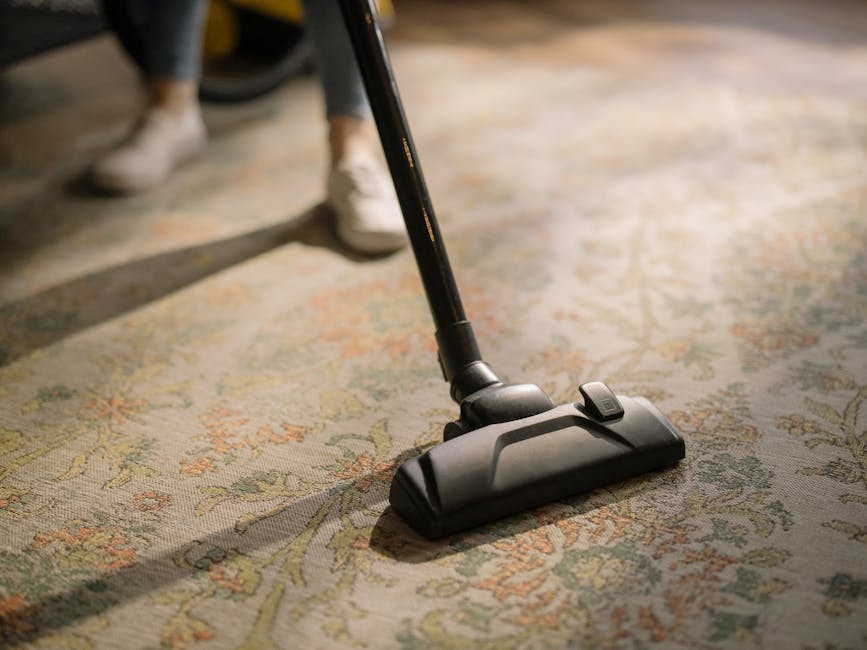
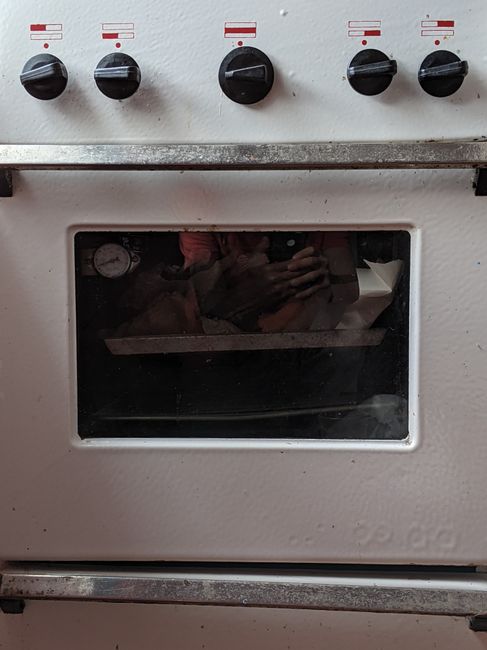
Lords area end of tenancy cleaning before and after results: what to expect, what changes, and how to get rental-ready fast
If you are moving out of a flat or house in Lords, the difference a proper clean makes can be surprisingly dramatic. In many homes, the "before" view is a mix of everyday life: dusty skirting boards, kitchen grease, bathroom limescale, tired carpets, and a few spots you stopped noticing months ago. The "after" is where the room suddenly feels brighter, fresher, and much more likely to pass an inspection. This guide breaks down Lords area end of tenancy cleaning before and after results in plain English, so you know what actually changes, why it matters, and how to get the best outcome without last-minute stress.
You will also find a practical checklist, a comparison table, common mistakes, and a realistic example of how a move-out clean can transform a property. If you are weighing up whether to book a professional service or handle it yourself, this should make the decision a lot clearer. Truth be told, a good end of tenancy clean is one of those jobs that looks simple until you're halfway through the oven.
Expert summary: The strongest before-and-after results usually come from a methodical whole-property clean, not a quick surface tidy. Kitchens, bathrooms, carpets, and hidden dust lines make the biggest visible difference, and they also matter most during checkout.
For anyone comparing cleaning options, it may help to start with the broader end of tenancy cleaning service and then look at related specialist work such as deep cleaning or move-out cleaning depending on the property's condition.
Table of Contents
- Why Lords area end of tenancy cleaning before and after results Matters
- How Lords area end of tenancy cleaning before and after results Works
- Key Benefits and Practical Advantages
- Who This Is For and When It Makes Sense
- Step-by-Step Guidance
- Expert Tips for Better Results
- Common Mistakes to Avoid
- Tools, Resources and Recommendations
- Law, Compliance, Standards, or Best Practice
- Options, Methods, or Comparison Table
- Case Study or Real-World Example
- Practical Checklist
- Conclusion
- Frequently Asked Questions
Why Lords area end of tenancy cleaning before and after results Matters
Before-and-after results are not just about making a home look nice for the next person. In a rental move-out, they are about proving the property has been left in a clean, presentable condition. That matters because landlords and letting agents often assess the home room by room, and the details stand out fast: a greasy extractor fan, soap scum on the shower screen, crumbs in drawer runners, or a visible stain under a dining chair.
In Lords, where many homes are compact, high-use, and finished to a decent standard, small marks can look bigger than they are. A little dust on a white shelf or a dull patch on a hob can make the entire room feel neglected. That is why before-and-after photos are so useful. They show the real value of a thorough clean, and they make it easier to see whether the work covered the whole property or only the obvious parts.
There is also a practical side. A strong result can reduce disputes, speed up final inspection, and make the property easier to hand over. Nobody wants to be arguing about oven trays or bathroom corners on moving day. Let's face it, moving is already chaotic enough.
Sometimes the difference is subtle, sometimes it is huge. A bedroom may go from "lived in" to "freshly reset." A kitchen may shift from slightly sticky to clean enough that the light reflects properly off the surfaces. And carpets? If they are in decent condition, a proper treatment can lift the room visually far more than people expect. If carpets are part of the move-out, a dedicated carpet cleaning or steam carpet cleaning service can make the before-and-after effect especially noticeable.
How Lords area end of tenancy cleaning before and after results Works
An effective end of tenancy clean follows a top-to-bottom, room-by-room process. The aim is not to make the place look airbrushed. It is to remove built-up dirt, dust, grease, and residue so the property presents well at checkout.
Most professional cleaners start with the areas that create the strongest visual impact. Kitchens and bathrooms usually come first because they collect the most stubborn buildup. Then come living spaces, bedrooms, hallways, and any extras such as cupboards, fixtures, or internal glass. If carpets, upholstery, or mattresses need attention, those are normally treated separately because they require specific tools and drying time. You can explore related services such as oven cleaning, window cleaning, and upholstery cleaning when those surfaces are part of the move-out condition.
The before-and-after change is usually driven by a few repeated actions:
- Degreasing kitchen surfaces, appliances, and splashback areas.
- Descaling taps, tiles, shower screens, and bathroom fittings.
- Dusting edges, skirting boards, light switches, and hard-to-see corners.
- Vacuuming and treating floor coverings properly, not just a quick once-over.
- Wiping internal cupboards, shelves, handles, and doors.
- Removing marks from walls, doors, and touch points where appropriate.
A lot of the visible improvement comes from the areas people forget to inspect during normal cleaning. The top of a door frame, the edge of a cupboard, the inside of a bin housing, or the side of a radiator can quietly ruin an otherwise tidy room. Once those are cleaned, the whole property feels cleaner, even if you cannot immediately point to one dramatic change.
If the property has been lived in heavily, a more intensive visit may be needed. That is where one-off cleaning or a more detailed domestic cleaning approach can be useful before the final tenancy clean. Different homes need different levels of intervention. No mystery there.
Key Benefits and Practical Advantages
The main benefit is obvious: the property looks significantly better after a proper clean. But there is more to it than aesthetics.
- Better inspection readiness: Clean kitchens, bathrooms, and floors are easier for agents to sign off.
- Less friction at handover: A tidy, fresh-looking property tends to reduce back-and-forth over cleanliness issues.
- More complete reset: The home feels ready for the next occupant, which is especially noticeable in Lords properties with high turnover.
- Improved presentation: Good photos or final walk-throughs benefit from clean surfaces and better light reflection.
- Time savings: Professional methods often get better results faster than trying to fit everything around packing and removals.
There is also a confidence benefit. When you know the home has been properly cleaned, you can hand over the keys without that nagging feeling that you missed something behind the washing machine or inside the oven door. That peace of mind is worth quite a bit during a move.
For landlords, agents, and tenants alike, the "after" result matters because it sets the tone. It says the property has been cared for, not just vacated. And in a busy London area, where move-outs can happen quickly and properties need to turn around fast, that matters more than people sometimes realise.
Who This Is For and When It Makes Sense
This kind of clean is for tenants preparing to leave, landlords getting a property ready for re-let, and anyone who wants a proper move-out reset rather than a basic tidy. It is especially useful if the property has had:
- long-term occupancy
- pets
- heavy kitchen use
- carpets that have dulled over time
- children's mess, scuffs, or frequent spills
- limited cleaning between busy work schedules
It also makes sense when the tenancy agreement expects the home to be returned in a similar condition to move-in, allowing for fair wear and tear. That phrase comes up a lot, and quite rightly so. Normal ageing is one thing; built-up dirt is another.
If you are moving straight into another home, pairing the service with move-in cleaning can help make the transition smoother. If the property needs a broader reset beyond the tenancy scope, you may also need house cleaning or, for larger business premises, commercial cleaning. Different setting, different priorities.
One realistic sign it makes sense to book help? If you stand in the kitchen at 7pm, after packing boxes all day, and suddenly realise the oven still looks like it survived a small weather event. That is usually the moment people decide to get assistance. Fair enough.
Step-by-Step Guidance
Here is a straightforward way to approach the job so the before-and-after difference is as strong as possible.
- Walk through the property with fresh eyes. Make a room-by-room note of the worst areas. Don't trust memory; it gets optimistic when you are tired.
- Prioritise the high-impact spaces. Kitchens, bathrooms, and floors usually create the strongest visible change, so start there.
- Remove loose clutter first. Empty shelves, counters, and cupboards so the cleaning work is not blocked by boxes or bags.
- Clean from top to bottom. Dust falls. If you clean the skirting first and shelves later, you may end up doing the same work twice.
- Treat problem areas separately. Ovens, stains, limescale, pet odours, and upholstery often need specialist attention.
- Finish with floors and touch points. Vacuum, mop, and wipe handles, switches, and door edges so the property feels properly finished.
- Do a final light check. Stand in each doorway and look for anything that catches the eye: smear marks, dust lines, or a missed corner.
If carpets or fabric furnishings need more than a surface clean, a specialist like rug cleaning, sofa cleaning, or mattress cleaning can make a clear visual difference. A clean mattress, oddly enough, can make an entire bedroom feel more "done" even if the bed frame itself was already tidy.
And if the property has damage from a recent refurbishment, a separate after builders cleaning approach may be needed first, because fine dust behaves like it has nowhere else to be. It gets everywhere. Absolutely everywhere.
Expert Tips for Better Results
Small details are what separate an okay end of tenancy clean from a really convincing one.
Start with light and visibility. Open curtains, switch on the main lights, and clean in proper daylight where possible. Dust and streaks are easier to spot, and you will miss less.
Use the right method for the surface. A glossy worktop, a painted wall, and a tiled shower enclosure all need different treatment. Too much water, too much pressure, or the wrong product can leave smears or damage.
Do the hidden places. Behind appliances, under sinks, inside cupboard lips, around extractor fan grills, and along skirting edges. Those are the zones that make a "before" photo look rough and the "after" photo look properly completed.
Do not ignore smell. Visual cleanliness matters, but odours from bins, drains, pet areas, or upholstery can undermine everything. If needed, pair the clean with pet stain odour removal or targeted stain removal.
Leave a buffer for drying. A freshly cleaned home can look amazing and still feel unfinished if carpets or fabrics are damp. Build in some time if possible, especially in cooler months when drying takes longer. London weather likes to keep everyone on their toes.
One more thing: take your own before photos before cleaning starts. Not for drama. Just for reference. It helps you notice what has improved and, if needed, it gives you a sensible record of the property's starting condition.
Common Mistakes to Avoid
There are a few repeat offenders in end of tenancy cleans, and they can dull the final result fast.
- Only cleaning visible surfaces: Agents and landlords notice cupboards, edges, and hidden marks.
- Leaving the oven for last: It often takes longer than expected, and that rush shows.
- Using the wrong cleaner on delicate finishes: Some products leave residue or dull the surface.
- Forgetting internal glass and mirrors: Smears catch the light, especially in smaller Lords flats.
- Not dealing with limescale and soap residue: Bathrooms can look half-finished if taps and screens stay cloudy.
- Skipping floors after dusting: Dust settles back down if vacuuming and mopping are left too early.
- Rushing the final inspection: A two-minute check often saves a second round of cleaning. Worth it.
Another common mistake is assuming all "clean" results are equal. A quick tidy and a proper end-of-tenancy standard are not the same thing. Not even close. The best results come from consistency, patience, and a checklist that covers the awkward corners too.
Tools, Resources and Recommendations
You do not need a truckload of equipment, but you do need the basics to do the job properly.
- microfibre cloths for dust and polish
- a vacuum with suitable attachments
- mop and bucket for hard floors
- non-abrasive sponges and pads
- glass and mirror cloths
- degreaser for kitchen surfaces
- bathroom cleaner for limescale and soap build-up
- safe stain treatment products for fabric or carpet spots
For properties with mixed surfaces, consider whether specialist support is needed. For example, hard floor cleaning can help preserve a better finish on wooden, laminate, or stone floors, while window cleaning improves natural light and the overall look of the rooms. If upholstery is part of the final presentation, curtain cleaning can make a room smell and feel fresher too.
For people who want a wider property reset, services like regular cleaning can be useful in the months before moving, while one-off cleaning suits a single intensive visit. If you are managing a shared building or block, communal area cleaning may also be relevant in keeping entrances and hallways in better shape for handover.
Law, Compliance, Standards, or Best Practice
Tenancy cleaning is usually governed less by dramatic legal rules and more by tenancy agreement terms, reasonable expectations, and standard move-out practice. In the UK, the key idea is simple: the property should be returned in a condition that matches the contract, allowing for fair wear and tear. That means normal ageing is expected, but dirt, grease, stains, and avoidable neglect are not.
Best practice is to clean to a standard that would satisfy a careful inspection, not just a quick glance. That includes toilets, baths, taps, kitchen surfaces, appliances, cupboards, floors, and soft furnishings if they are part of the occupancy. If there are safety concerns, it is sensible to use a provider that treats risk seriously. Pages such as insurance and safety and health and safety policy can help you understand how a company approaches that side of the work.
If you are comparing services or need clarity around process, terms, or payment handling, it is also wise to review payment and security, terms and conditions, and pricing and quotes. For anything more general about the business itself, about us is the natural starting point. No fluff, just context.
And if you need a cleaner with a transparent service approach, it is sensible to use the official contact us route rather than guessing what is included. Simple, but useful.
Options, Methods, or Comparison Table
Different cleaning methods can produce very different before-and-after results. Here is a straightforward comparison to help you decide what you actually need.
| Method | Best for | Typical before result | Typical after result |
|---|---|---|---|
| Standard end of tenancy clean | General move-out handover | Visible dust, kitchen residue, bathroom build-up | Fresh, tidy, inspection-ready property |
| Deep clean | Homes needing a broader reset | More built-up dirt, neglected edges, stronger grime | Noticeably fresher and more uniformly clean rooms |
| One-off clean | Single intensive refresh | Everyday dirt and scattered problem spots | Good improvement, especially in lived-in spaces |
| Specialist carpet or upholstery clean | Stains, odours, flattened fibres | Dull, marked, or tired fabric surfaces | Brighter fibres, fewer stains, better smell |
| Move-in clean | Preparing for the next occupant | Residual dust or traces from previous use | Clean, fresh start for new residents |
In practice, the strongest results often come from combining methods. A tenancy clean gets the property across the line, while a carpet or upholstery treatment handles the things that eye-level cleaning cannot fully fix. That combination is often what creates the most satisfying before-and-after photos.
Case Study or Real-World Example
A typical Lords move-out might involve a two-bedroom flat with a small kitchen, one bathroom, and a living room that has been used daily for several years. Before cleaning, the kitchen usually shows grease around the hob, fingerprints on cupboard doors, and a dull oven door. The bathroom might have limescale on taps, soap residue around the shower, and a slightly tired-looking mirror. The carpet, if present, often shows traffic paths near the entrance and under the sofa area.
After a proper clean, the property does not become "brand new," because that would be unrealistic and, frankly, a bit of a lie. But it does become clearly fresher and much more presentable. The kitchen reflects more light. The bathroom fittings look sharper. The carpet appears less grey. Small details like clean skirting, wiped handles, and clear glass are what give the final result its lift.
That is the real value of Lords area end of tenancy cleaning before and after results: the home changes from clearly occupied to confidently handed over. The difference may not be dramatic in every single corner, but the overall impression is very different. And that overall impression is what tends to matter most in an inspection.
We have seen this time and again: once the heavy bits are done well, the whole property seems to breathe again. A little dramatic? Maybe. But not by much.
Practical Checklist
Use this checklist before handover to make sure the result holds up under inspection.
- Remove all personal belongings and leftover food.
- Empty cupboards, drawers, and storage spaces.
- Clean inside and outside of the oven, hob, and extractor area.
- Descale taps, shower screens, and bathroom fixtures.
- Wipe down internal doors, handles, and light switches.
- Dust skirting boards, shelves, corners, and ledges.
- Vacuum carpets and edges thoroughly.
- Mop hard floors and check for sticky patches.
- Clean mirrors and internal glass.
- Check under beds, behind radiators, and behind appliances.
- Deal with stains or odours if they are still visible or noticeable.
- Open windows briefly to air the property if appropriate.
- Do a final inspection in daylight and at eye level.
If you need to clear a lot of belongings before cleaning, a service like house clearance can help get the property ready for a proper clean. That is often the unglamorous step nobody wants, but it makes everything else easier.
Get a free quote today and see how much you can save.
Conclusion
Good end of tenancy cleaning is not just about polishing surfaces. It is about changing the feel of a property so it looks cared for, moves smoothly through inspection, and leaves a stronger final impression. The before-and-after difference in Lords is often most visible in the kitchen, bathroom, floors, and those easy-to-miss details that quietly define whether a room feels fresh or simply "done."
If you approach it with a clear plan, the right tools, and a proper standard, the results are usually much better than people expect. And if you outsource part of the work, you can save yourself a huge amount of stress during the final days of a move. That alone can be a relief.
So, whether you are preparing a tenancy handover, helping a landlord turn a property around, or just trying to leave the place in good shape, focus on the visible wins and the hidden corners. That is where the real transformation happens. Quietly, but unmistakably.
Frequently Asked Questions
What should Lords area end of tenancy cleaning before and after results look like?
The before result usually shows everyday wear: dust, light grease, bathroom residue, marks on surfaces, and tired floors. The after result should look noticeably fresher, brighter, and ready for a careful inspection, even if the property is not brand new.
How much difference does a professional clean really make?
Usually quite a lot. The biggest difference is in kitchens, bathrooms, and carpets, where built-up grime and stains are hardest to shift with a quick home clean. The overall feel of the property changes as well, which is often what people notice first.
Do landlords expect every mark to disappear?
No, not every mark. Normal wear and tear is generally expected. The key is removing dirt, grease, stains, and anything avoidable so the property is handed back in a fair and clean condition.
Is end of tenancy cleaning the same as deep cleaning?
They overlap, but they are not identical. End of tenancy cleaning is focused on handover standards, while deep cleaning is broader and may be used to refresh a property more generally. In some homes, the two are practically used together.
What areas create the strongest before-and-after impact?
The kitchen, bathroom, floors, oven, and carpets usually create the clearest transformation. Internal glass, skirting boards, and handles also matter more than people think because they affect the first impression.
Should I clean the property myself or book a service?
If the home is lightly used and you have time, self-cleaning may be enough. If there is built-up grime, tight moving deadlines, carpets, or a strict inspection, booking a professional service is often the safer option.
How long does a proper move-out clean usually take?
It depends on the size and condition of the property. A small, tidy flat may be manageable in a few hours, while a larger or more neglected home can take much longer. The condition matters as much as the size.
Can carpet cleaning make a big visual difference?
Yes, especially if the carpet has traffic marks, flattened fibres, or a dull look. Specialist cleaning can lift the appearance of a room more than people expect, even when the rest of the property is already tidy.
What if there are stains or odours left behind?
Targeted treatment helps. Stains and odours often need more than standard wiping or vacuuming, so services such as stain removal or pet stain odour removal can be useful if the issue is still noticeable after the main clean.
Is there a best time to arrange the clean before moving out?
Ideally, after most belongings are removed but before final key handover. That gives the cleaner room to work properly and leaves time for a final check if anything needs a quick touch-up.
What should I look for in the after photos?
Look for even surfaces, clearer light reflection, cleaner edges, and the absence of obvious marks in the main use areas. The best after photos make the room feel calmer and more complete, not just superficially wiped.
What if my property has recently had renovation work?
Then a post-refurbishment clean may be needed first. Fine dust from building work behaves differently from normal household dirt, so an after builders cleaning approach can be the better starting point before a tenancy handover.
If you want to learn more about the company behind these services, you can read the about us page, review the recycling and sustainability approach, or check the relevant privacy policy and complaints procedure pages for peace of mind. A clean handover is easier when the whole process feels clear, calm, and properly organised.